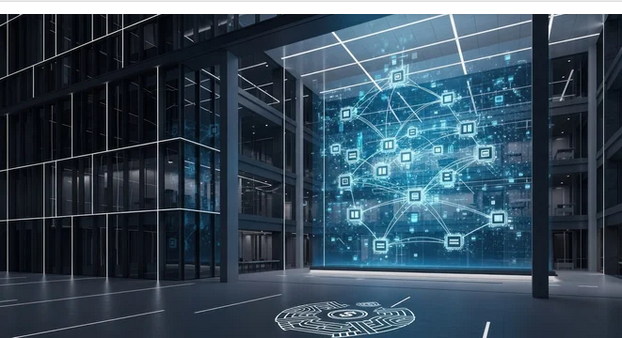
Modern buildings aren’t just getting sleeker—they’re getting smarter. Today’s smart technologies are transforming fire and life safety by delivering far more accurate data, faster communication, and enhanced protection for people and property. As buildings evolve, so does the way we detect, respond to, and prevent fire incidents.
Smarter Sensors, Smarter Response
Smart buildings rely on advanced sensors and connected systems to gather precise, real-time data. For first responders, that information can be invaluable. Instead of arriving with limited details, firefighters can receive accurate insights about the situation they’re walking into—location, severity, spread, and more.
Organizations that embrace smart building technology are already operating miles ahead of facilities still running on outdated communication infrastructure like POTS lines. With seamless integrations and automated processes, smart buildings make it easier to deploy new fire safety solutions that are faster, more efficient, and more reliable.
From Mandatory to Desired: The New Era of Fire Safety
Historically, fire systems were installed to meet code—necessary, but not exactly something building owners wanted to think about. Today, advanced fire technology has shifted that mindset. When fire safety is integrated with modern building automation and security systems, it becomes a valuable upgrade rather than an obligation.
As these systems evolve with new features, intelligence, and precision, they deliver broader benefits across safety, maintenance, efficiency, and even operational insight.

Communications: The Foundation of Life Safety
A smart building starts with smarter communication. Real-time access to system data improves transparency and efficiency, helping teams understand exactly what’s happening in the building at any given moment.
Many past fire incidents—especially severe ones—can be traced back to communication failures. Smart buildings eliminate those gaps. When fire safety is connected to a robust communication infrastructure, response times improve, misunderstandings shrink, and lives are better protected.
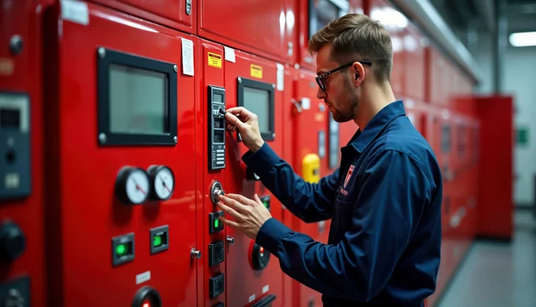
Smarter Maintenance and Faster Troubleshooting
While in-person inspections are still required, technology now makes maintenance more proactive. Technicians can diagnose system issues remotely—often before arriving onsite—reducing downtime and minimizing disruption.
Since troubleshooting is often half the challenge, smart diagnostics allow service providers to communicate with customers proactively, speeding up repairs and enhancing overall client satisfaction.
AI-Driven Precision and Enhanced Emergency Response
Artificial intelligence is playing a growing role in fire safety by making detection systems more accurate than ever. AI-enhanced components can better differentiate between real threats and false alarms, pinpoint fire locations, and support automated emergency responses.
Real-time monitoring and advanced evacuation processes complement both new and existing fire systems, ensuring occupants can be moved out quickly and safely. The goal is simple: faster detection, clearer information, and safer outcomes.
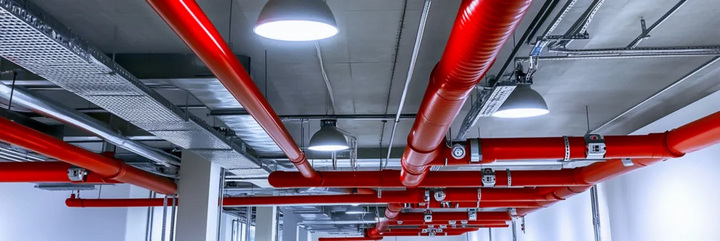
From Reactive to Proactive Fire Protection
Traditional fire safety has always been reactive—detect a fire, send an alarm, respond. Smart building technology flips that script.
Integrated building systems allow for:
- Early detection
- Faster intervention
- More efficient suppression
- Better-coordinated evacuations
By layering proactive detection with modern communication and automation, smart buildings can reduce damage, lower risks, and save lives.
Navigating Complex Codes and Integrations
Fire codes—both local and regional—are complex by design. Any new fire or life safety technology must meet strict regulatory standards, which can be challenging when integrating legacy systems with newer platforms.
That’s why having the right partner matters.
Choose a Partner Who Understands the Technology—and the Codes
The key to successful fire safety modernization is selecting a provider with deep expertise in integrating old and new technologies without compromising compliance. Scutum (formerly High Rise Fire and Security) brings the experience and knowledge needed to navigate these complexities and deliver a fully integrated, code-compliant solution.
For more information or to discuss upgrading your building’s fire and life safety systems, contact us today.